
Plan Rome on any budget: your Rome travel guide
The Colosseum looks exactly the same whether you arrived on a budget airline or a business-class seat. That is the secret of Rome: the big sights cost roughly the same for everyone, and what changes your trip is planning. Book the right tickets, skip the lines, and do not rent a car you will never be allowed to drive downtown.
This Rome travel guide covers the three decisions that matter: when to go, which attractions to lock in ahead of time, and when a rental car helps or hurts.
Prefer video? We put both versions of the city side by side in Rome for $500 vs $5,000. Think of this article as the checklist that goes with it.

Plan your Rome travel guide around the seasons
There is no single perfect month. There is the month that suits you.
Pick spring or autumn for walking weather
Rome is a walking city, and these are the seasons when walking all day feels good. Everyone else knows it too, so book flights and tickets early.
Try winter if price matters most
Fewer crowds, more elbow room at the fountains, and carbonara tastes just as good in a coat. Pack an umbrella.
Survive summer with an early start
Do the open-air ruins first thing in the morning and save museums for the hot afternoon. Refill your bottle at the public drinking fountains scattered around the city.
Before you book, read our guide to finding a cheap flight. It will save you more than skipping dessert.
Book the attractions that sell out first
Some Roman sights you can simply walk into. Others will eat your whole morning in a queue if you show up without a ticket.
Reserve the Colosseum and the Roman Forum
This is the first one to sell out. Buy from the official Colosseum Archaeological Park site or compare guided tours and combo tickets on Tiqets.
Time the Vatican Museums with the official calendar
According to the Vatican Museums website (checked November 2026), the museums close on Sundays except the last Sunday of the month, when entry is free from 9:00 a.m. to 2:00 p.m., with a few holiday exceptions. Free also means crowded. If you want the Sistine Chapel with room to breathe, book a weekday ticket.

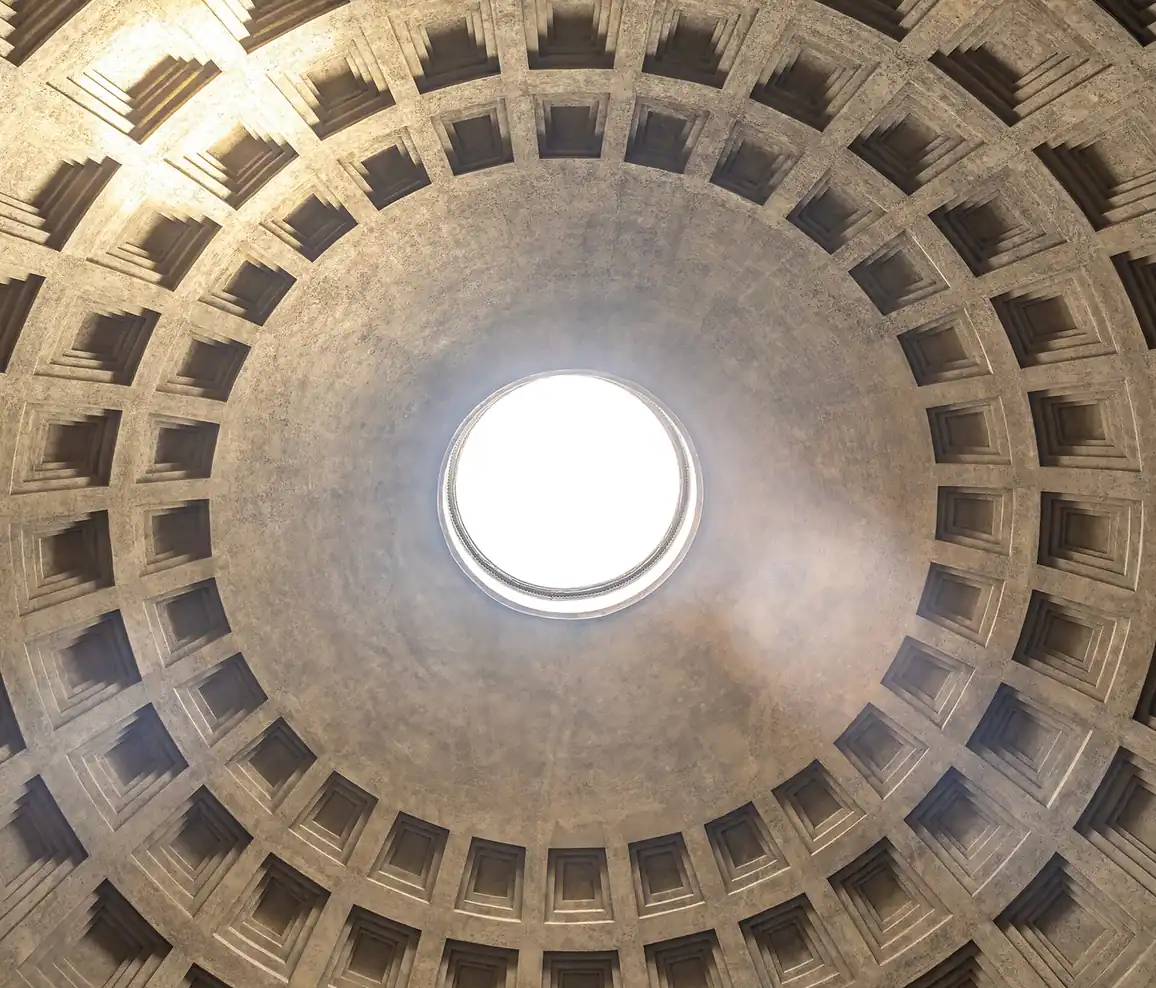
Buy a Pantheon ticket before you go
The Pantheon is no longer free to enter. Per Rome's National Museums directorate, a full ticket costs €7 from 1 July 2026, with free entry on the first Sunday of each month. The site also notes there is no skip-the-line option, so stick to your time slot.
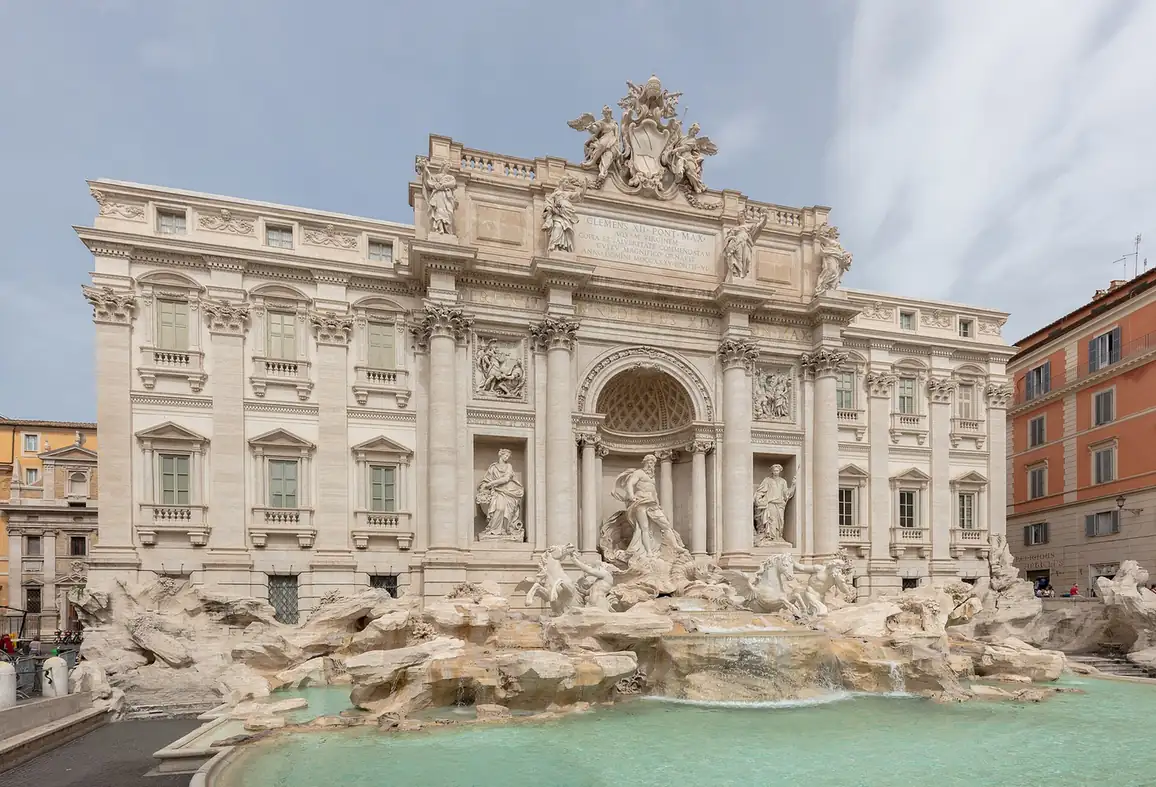
Get a Trevi Fountain ticket too
New for 2026: per the City of Rome (announcement dated 28 January 2026), visitors have paid €2 since 2 February 2026 to enter the inner area next to the basin. The square around it stays free, and after 10:00 p.m. anyone can see the fountain without a ticket.
Compare tickets and Rome tours in one place on Tiqets.
Decide smart on a Rome car rental
Short version: you do not need a car inside Rome. Long version: outside the city, it is a gem.
Stay out of the ZTL
The historic center is a limited traffic zone watched by cameras at the entry gates. Rome's mobility agency lists the hours when you cannot enter without a permit. The fine goes to the rental company first, then to you, sometimes months after you got home.
Use a car for day trips
Hill towns, beaches and wine villages are where a car earns its keep. Pick it up the day you leave the city, not the day you land.
Paperwork check: Italy's official tourism site says drivers with a non-EU licence need an International Driving Permit. Sort it out before you fly, not at the counter.
Compare Italian rental deals on DiscoverCars, and see our guide to renting a car abroad before you sign anything.
Play with your budget: cheap Rome vs. luxury Rome
In the video we priced out two versions of the same city. Without repeating the numbers here, this is where the money actually goes:
- Where you sleep: the biggest gap. A good neighborhood near a metro stop saves you taxis.
- What you eat: a local trattoria often beats a tourist-trap terrace, at a very different price.
- How you tour: private guides are comfy, but a standard ticket shows you the same Colosseum.
- How you move: walk and use transit in town, drive only on day trips.
The full breakdown, with our real prices, is in the video.
Get around Rome without a car
Rome rewards walking. Most of the big central sights sit close enough to stroll between, and on the way you will stumble onto a tiny church, a gelato counter or a piazza that was never on your list. Comfortable shoes are the best upgrade you can buy, better than any hotel.
For longer hops there are metro lines, buses and trams. The metro does not cover the whole historic center, so plan on mixing rides with walks. For taxis, use an app or an official rank.
Stay connected from the moment you land
Maps, digital tickets and transit apps all need data. An eSIM you activate before you fly means no hunting for a phone shop at the airport, and you can book a ride before you even reach the exit.
Give one day to a neighborhood, not a monument
Trastevere, Monti and the Jewish Ghetto have no ticket booth, yet this is where Rome looks its best after dark. Keep one evening completely unplanned.
FAQ
Do I need to book the Colosseum in advance?
Yes, especially in busy seasons. It is usually the first major site to sell out.
Is there a fee for the Trevi Fountain?
Yes. The City of Rome charges €2 for the inner area since 2 February 2026; the square is free. Source.
Should I rent a car in Rome?
Not for the city itself. Yes for day trips, and keep clear of the ZTL.
When are the Vatican Museums free?
On the last Sunday of the month, per the official site, except on certain holidays. Source.
Lock in the rest of your trip
Disclosure: this article contains affiliate links. If you book through them, we earn a small commission at no extra cost to you.